Can babies sleep with a blanket?
Blankets, swaddles, and tips for safe sleep

What is safe sleep?
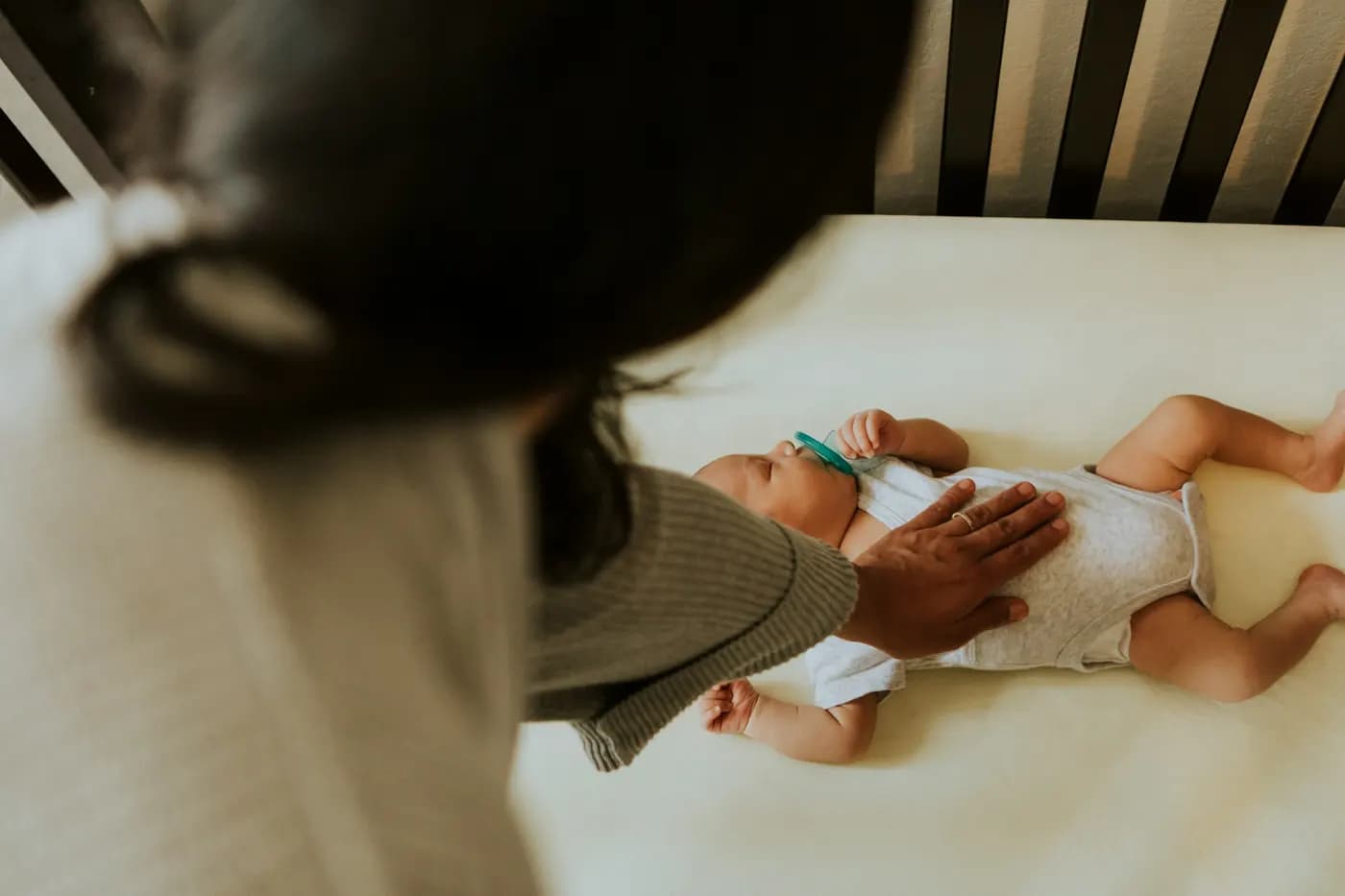
To keep your baby safe while they sleep, put them down to sleep on their backs in an empty crib or bassinet to reduce the risks of suffocation, strangulation, choking, and lowers the risk of Sudden Infant Death Syndrome (SIDS).
When can a baby sleep with a blanket?
Avoid placing loose blankets in your baby’s sleep space as they can pose a suffocation risk and increase the risk of SIDS. It’s safest to wait until after your baby’s first birthday before introducing a blanket. By then, they can roll over and move objects that fall on their face and obstruct their breathing.
Ways to keep your baby warm without a blanket
Even without using a blanket for sleep, you can keep your baby warm at night with these alternatives:
- A swaddle or sleep sack
- By dressing your baby in cotton undershirt under their pajamas
- Ensuring the room temperature is between 68 and 72 degrees F
When babies begin rolling
Most babies begin rolling onto their side or stomach between 3 and 5 months old. Once your baby begins to roll, discontinue swaddling and use a wearable blanket like a sleep sack. This allows them to use their hands and arms to lift their head if they roll onto their side or stomach during sleep.
Are weighted swaddles or sleep sacks safe?
No, the American Academy of Pediatrics (AAP) advises against using weighted swaddles and sleep sacks.
Lovies, stuffed animals, and pillows
The AAP recommends waiting until your baby is two years old and out of the crib before introducing pillows. At age 2, you can offer your child a small and firm pillow. You can introduce a small lovie or a stuffed animal after the first birthday. It should be lightweight, easy to clean, and free of small or loose parts that pose a choking risk.
Safe sleep practices for infant sleep
Back to sleep
Always put your newborn baby to sleep on their back. Placing them on their belly or sides increases the risk of suffocation and SIDS.
Keep cribs empty
Cribs and bassinets should be clear of blankets, sheets, pillows, bedding, crib bumper pads, stuffed animals, and toys. Never attach any items to the crib slats, including toys or pacifiers, as they can pose a suffocation or strangulation risk. Do not put your baby to sleep before removing these items from their sleep environment.
Don’t bed-share
Always put your baby to sleep in a crib or bassinet. Bedsharing or co-sleeping increases the risk of accidentally rolled onto your baby and causing suffocation. Bed sharing includes sleeping in your bed in a baby pod, cushioned mat, or Dock-A-Tot. These products are not intended for sleep and should not be used.
Use a safe crib or bassinet
Only use a crib or bassinet that adheres to the safety standards set by the Consumer Product Safety Commission (CPSC). This can ensure a safe sleeping environment for your baby. Never use cribs that have been recalled, have broken pieces or parts, or are missing hardware.
Room-share
The AAP suggests room sharing with your baby for the first six months because it significantly reduces the risk of SIDS. Placing your baby's crib or bassinet near your bed makes it easier to watch your baby and hear them throughout the night.
References
AAP: New safe sleep recommendations can help pediatricians guide families
AAP: American Academy of Pediatrics Updates Safe Sleep Recommendations: Back is Best