Walking milestones: Age and stage insights
Understanding the walking milestone for babies
When do babies start walking?
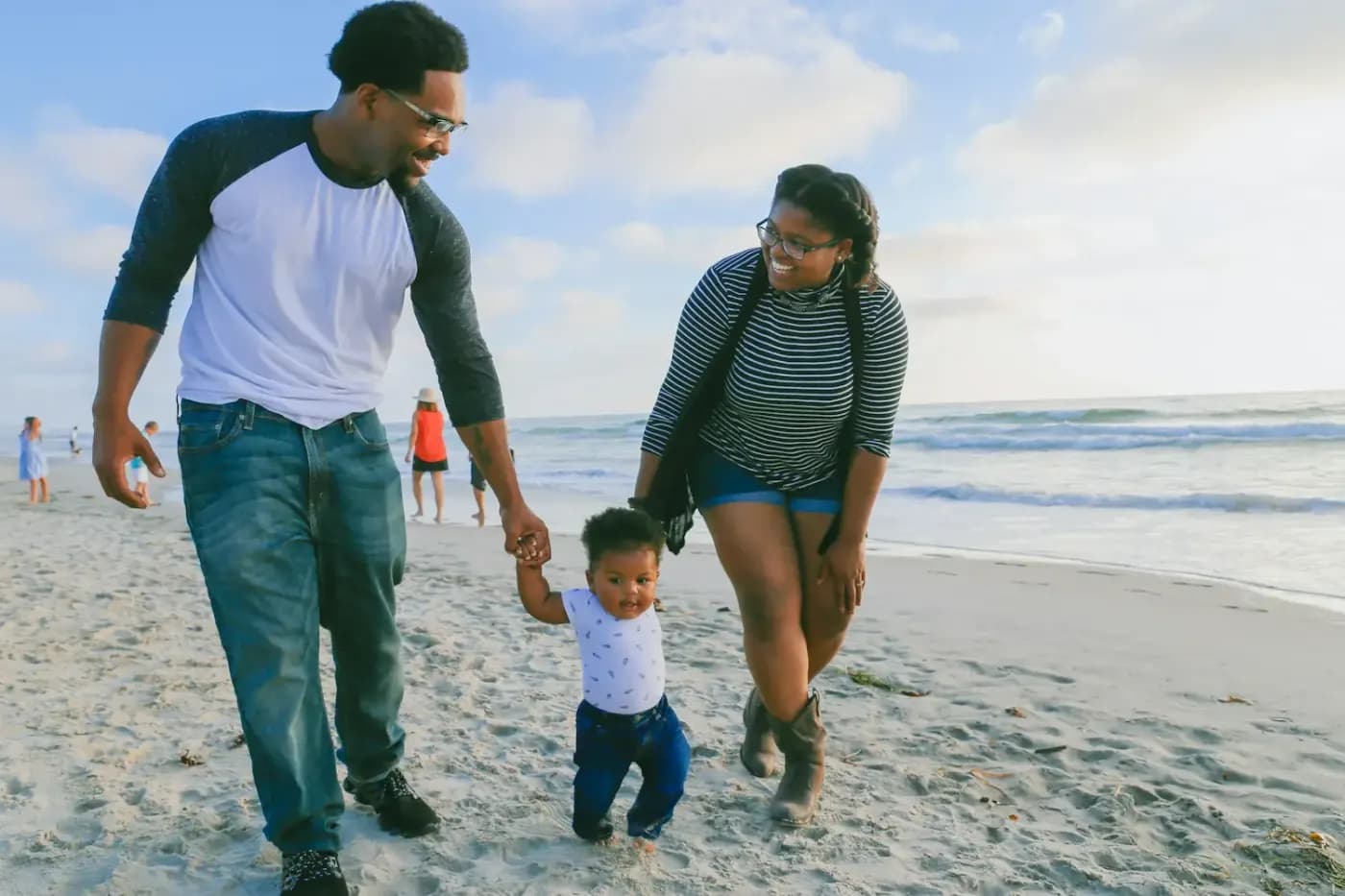
Babies start walking independently around their first birthday, though every baby is different, and timing can vary. Some babies take their first steps as early as 8 months, while others start closer to 15 months.
What are the developmental milestones before walking?
- Rolling over: Infants roll over from front to back and back to front between 4 and 6 months.
- Sitting: By 6 and 8 months, most infants can sit without support. Sitting independently is a precursor to walking because it indicates developing trunk control and balance.
- Crawling: Crawling usually starts between 7 and 10 months. Babies who crawl on their hands and knees often walk earlier, and some skip crawling entirely.
- Pulling to stand and cruising: Between 9 and 12 months, babies begin pulling themselves up to a standing position and "cruising" along furniture, which strengthens their legs and improves their balance for walking.
- Supported walking: Many babies practice supported walking by holding their caregiver's hands or using push toys.
Signs that your baby is ready to walk
- Pulling to stand
- Cruising
- Supported walking
- Squatting
- Standing unassisted
How to encourage walking
- Encourage floor play: Give your baby plenty of time to play on the floor to strengthen their core muscles.
- Promote crawling: Place toys out of reach to encourage your baby to crawl.
- Facilitate pulling to stand: Set up stable furniture or objects your baby can use to pull themselves into a standing position.
- Support cruising: Arrange furniture for your baby to practice cruising.
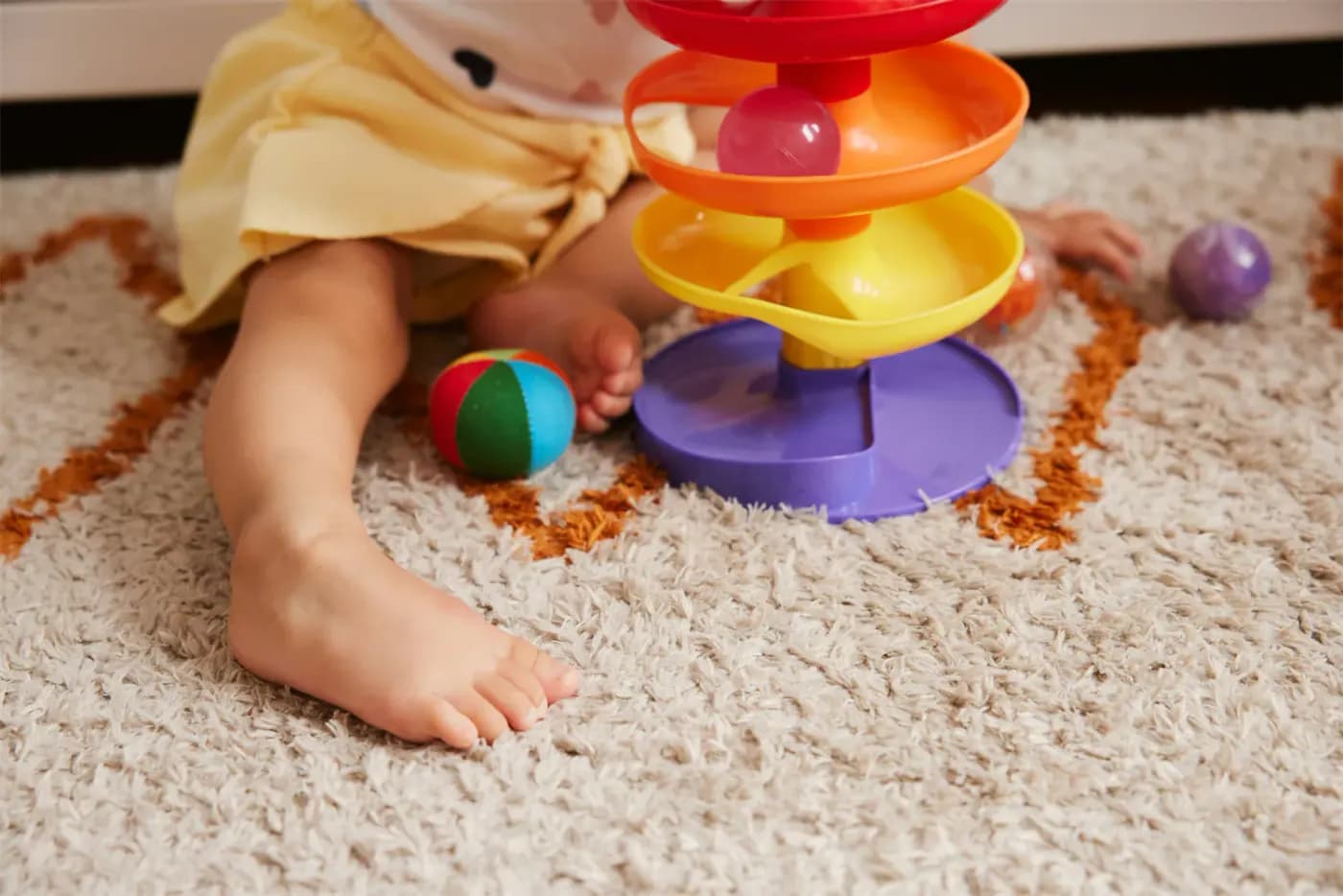
- Use push toys: Push toys can encourage supported walking, which is a step towards walking independently.
- Create a safe environment: Baby-proof your home so your child can safely explore and develop their skills.
Are walking toys/push toys recommended?
Push toys are generally safe and are recommended for supported walking. But push toys and baby walkers are different. Baby walkers allow babies to move around while seated and have been linked to delayed motor development and a higher risk of injury. Research shows baby walkers can cause walking delays and lower scores on developmental tests compared to babies who didn’t use them.
Should early walkers wear shoes or go barefoot?
Babies should be barefoot while learning to walk. Barefoot walking promotes optimal foot development and encourages balance and coordination. When walking outside the home, shoes are necessary for protection. Soft-soled shoes are best, as they are flexible, lightweight, and allow the foot to move naturally, mimicking the benefits of barefoot walking.
When to talk to a pediatrician
If your baby hasn’t started walking by 15 to 18 months, consult your local or Summer Health pediatrician for guidance. This could indicate a delay in motor development and may require further evaluation by a specialist.
References
NIH: Effects of baby walkers on motor and mental development in human infants