Challenging behaviors in toddlers and preschoolers
Understanding behavior problems in young children
Understanding challenging behaviors in toddlers and preschoolers
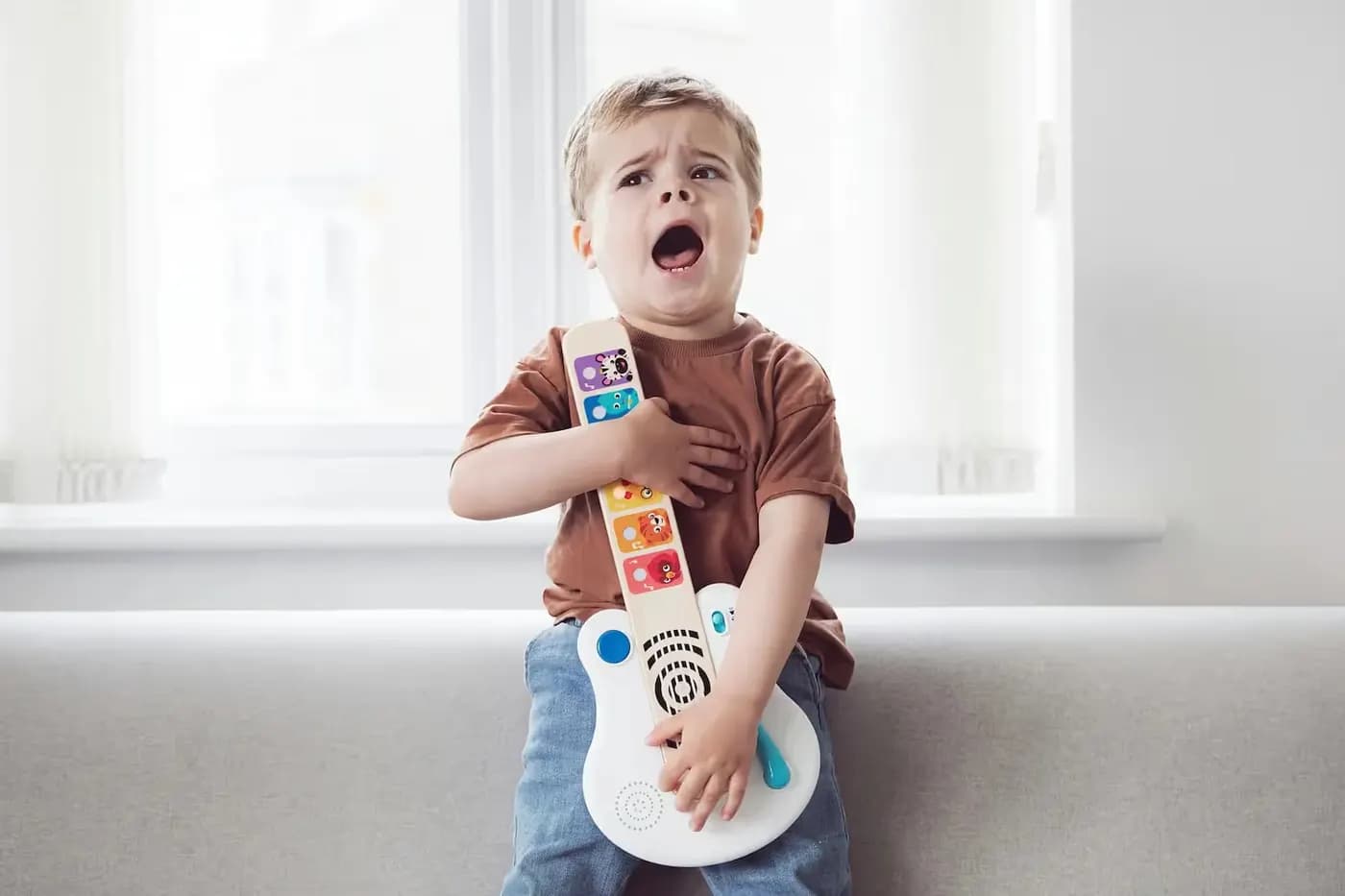
At this stage, toddlers and preschoolers balance independence and reliance on adults. They want to complete tasks independently but often lack the skills to succeed, leading to frustration and challenging behaviors. During this stage, they’re also learning to manage big emotions and communicate effectively, which can result in behavior problems like frequent meltdowns, aggressive behaviors, tantrums, and outbursts.
Toddlers and preschoolers exhibit challenging behaviors as they experience social and emotional developmental changes, such as:
- Learning to communicate: They’re still developing language skills, so they can become frustrated when they can’t express what they want or need.
- Managing emotions: Their brains are developing, and even small challenges can feel overwhelming, leading to big reactions.
- Understanding social skills: Concepts like sharing and taking turns are new and challenging since they naturally focus on their own needs.
- Seeking independence: They’re eager to do things independently but often lack the required skills, resulting in power struggles.
Types of challenging behaviors
- Testing boundaries
- Defiance
- Aggression like hitting, biting, or throwing
- Temper tantrums
- Sudden outbursts
- Crying and shouting over small things
- Lying
Factors that contribute to challenging behaviors
- Lack of sleep: Poor sleep can lead to irritability and difficulty regulating emotions.
- Poor diet: Diets high in sugar or lacking essential nutrients can impact mood and energy levels.
- Excessive screen time: Too much can overstimulate the nervous system, leading to behavioral issues.
- New environments: Changes like starting school, welcoming a sibling, or moving to a new home can cause stress and uncertainty.
- Family conflict: Tension between family members can affect a child’s behavior.
- Developmental delays: Speech, sensory processing, or motor skills challenges can make it harder for children to handle everyday situations.
How to manage challenging behaviors
- Establish clear expectations and household rules so your child understands what behavior is acceptable and what isn’t.
- Encourage positive behavior.
- Promote autonomy by offering choices.
- Remain composed and set an example of calm behavior.
- Teach your child to identify their emotions and practice healthy coping strategies, like rollercoaster breathing.
Ignoring challenging behaviors
The toddler and preschool years are crucial for kids to develop emotional regulation, learn boundaries, and build social skills. Challenging behaviors occur when kids feel overwhelmed and don’t know how to express or manage their feelings. Ignoring these behaviors will not help them learn. Instead, help them identify their emotions and teach them healthy ways to cope with frustration or anger. Challenging behaviors are a child’s way of saying, “I need you.” or “I need help.” Dismissing them may lead to bigger outbursts, anxiety, and feeling misunderstood.
Positive reinforcement
Positive reinforcement is effective because it rewards desired behaviors and encourages their recurrence. Negative reinforcement, or punishment-based strategies, can create resentment or fear and does not address the root cause of the behavior.
Consequences
Consequences can be used to gently encourage learning, emotional growth, and trust. Since young children are still developing self-regulation and understanding, consequences should be age-appropriate, immediate, and directly tied to their behavior.
Focus on natural and logical consequences to discourage behavior problems. For example, if a child refuses to wear a coat, they might feel cold outside (natural consequence), or if a child throws a toy, the toy is taken away for a short time (logical consequence). Use positive reinforcement alongside consequences to reinforce good behavior, like, "You used your words instead of hitting. Great job!"
When to seek professional help
Seeking expert guidance can provide clarity and support for you and your child. Consider consulting a therapist or child development specialist if:
- Your child’s behavior significantly disrupts daily life, such as frequent, unmanageable tantrums, defiance, or aggression.
- They’re regressing in skills they previously mastered, like speech or potty training.
- You notice delays in language, motor skills, or social interactions.
- Your current strategies aren’t effective, and the challenges create stress at home.