First aid kits for infants
Text directly with pediatricians for clear guidance you can count on. Your monthly subscription to Summer Health gets you answers in under 15 minutes, 24/7, 365.
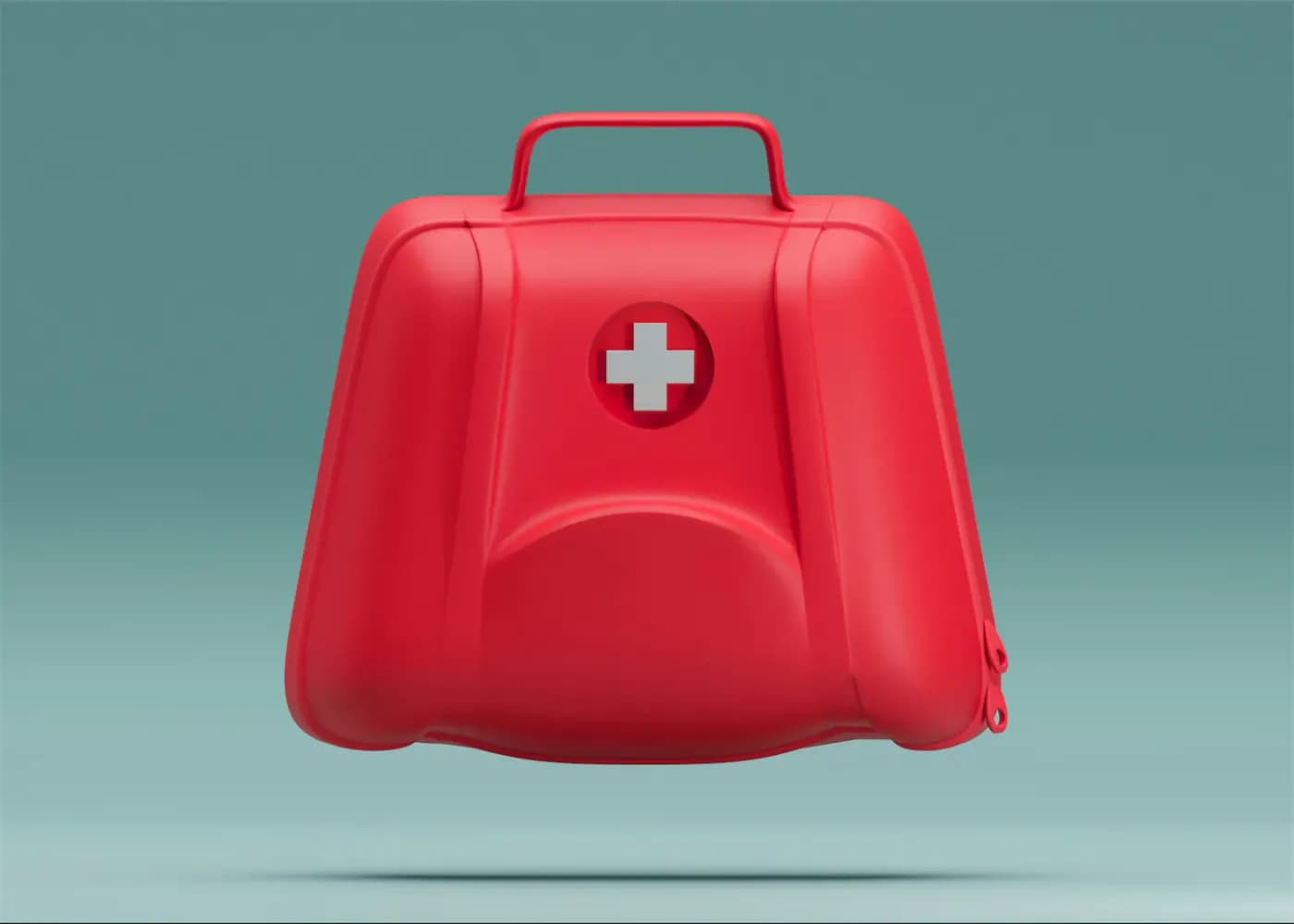
Fevers, scrapes, and digestive issues are common concerns for babies. Being proactive and keeping a well-stocked first aid kit on hand can save you time, energy, and stress when the unexpected happens. Our first aid kit checklist will help you feel confident and prepared to keep your baby safe and comfortable at home.
Why are first aid kits important for babies?
Infant first aid kits provide immediate access to essential medical supplies and medications to treat common health concerns and minor injuries. First aid kits can help parents or caregivers promptly manage minor ailments and injuries to prevent medical issues before they escalate into something more serious.
Store the first aid kit in easily accessible spots like a medicine cabinet, your car, or any other easy-to-access location. You never know when you will need it.
What to include in an infant first aid kit
- Infant fever/pain reliever (e.g., infant acetaminophen)
- Medication dosage charts for infants.
- Infant gas drops
- Diaper rash ointment
- Infant saline spray or saline drops (for nose)
- Nasal aspirator
- Antiseptic wipes or antibiotic ointment
- Bandages
- Gauze pads
- Digital thermometer rectal thermometer
- Medicine dropper or syringe
- Tweezers
- Infant nail clipper
- Cold packs
- Bulb syringe
Infant first aid kit safety considerations
- Avoid placing bandages or other items on your infant’s body where they can easily pull them off and put them in their mouth, as this can pose a choking hazard.
- Make sure medications are age-appropriate and dosed correctly for infants.
- Keep the kit out of reach of older children (high shelf of the medicine cabinet) to prevent accidental ingestion or misuse.
- Regularly check expiration dates and replace expired items.
- Add emergency contact numbers, like your pediatrician’s office or the poison control center (800-222-1222).
- Add simple instructions for using the kit and basic first aid techniques to help in stressful moments.
- If your infant is sick or has an injury, always contact your local or Summer Health pediatrician for further guidance.
- For any serious health issue or injury, (such as difficulty breathing) seek immediate medical attention and call emergency services.
If you have questions about first aid items for your baby, reach out to your local or Summer Health pediatrician for support.Summer Health is a pediatric telehealth platform offering 24/7 care, providing answers for everything from urgent concerns to everyday questions about your child’s health.