Honey for infants: When can babies have honey?
We've asked Summer Health's pediatric dietitian, Nicole Silber RD, CDP, CLC, to share expert insights on babies and honey.
When can babies eat honey?
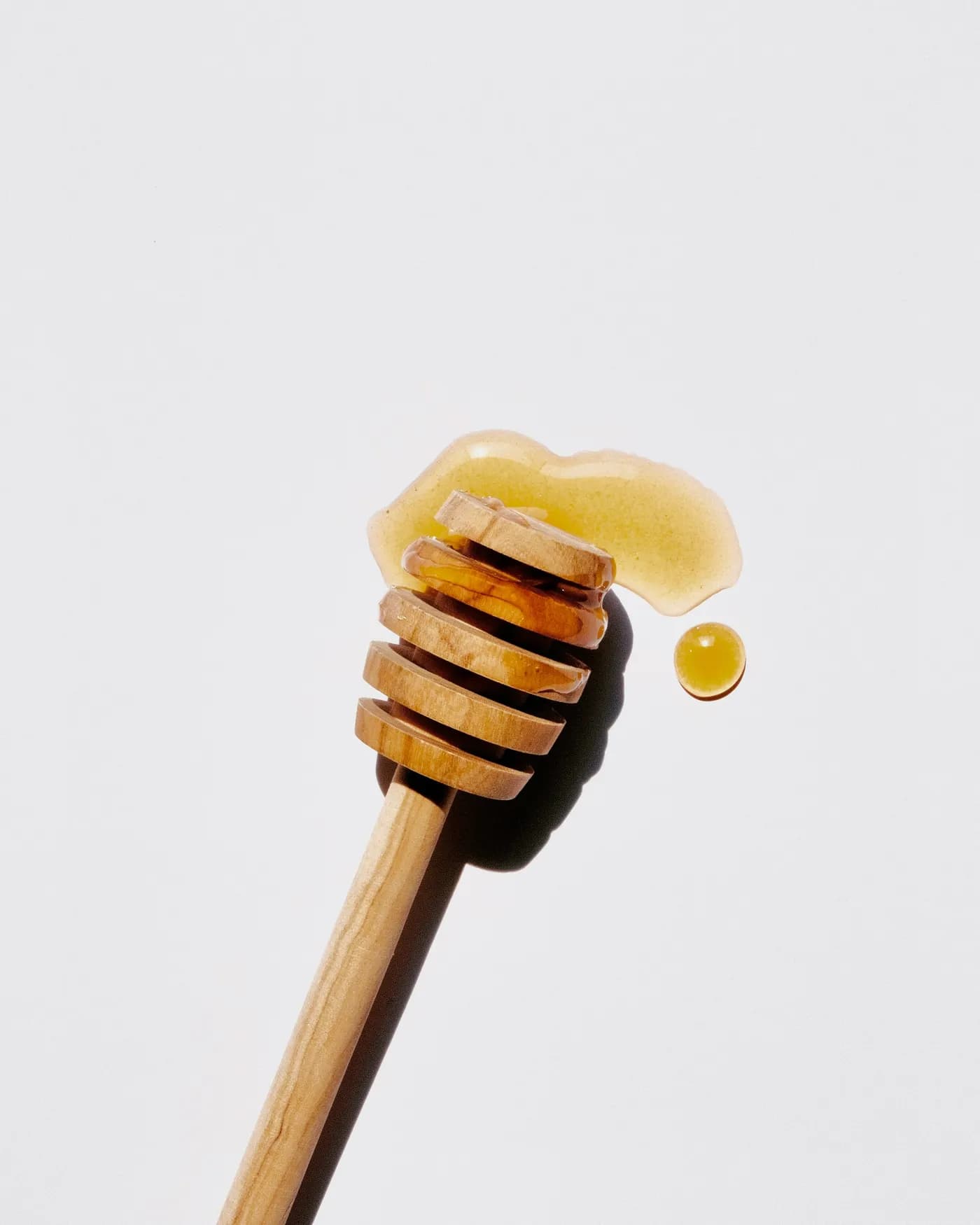
Babies over 12 months can safely eat honey.
Why can’t babies have honey before 12 months?
The American Academy of Pediatrics (AAP) recommends that you do not give honey to babies under 12 months. Honey may be contaminated with toxic bacteria called Clostridium botulinum, which may cause infant botulism. Infant botulism is a serious life-threatening disease which can cause damage to the nervous system and death.
For this reason, honey should not be offered to children under one year. “As children grow (over age 1), they can safely tolerate it because their immune and digestive systems can defend against [a possible contamination] the bacteria,” Nicole explains.
What are symptoms of infant botulism?
The AAP notes that symptoms of infant botulism can escalate quickly. Babies may appear weak with poor muscle tone. Nicole adds that it can also result in difficulty sucking or feeding, a weak cry, and even breathing difficulties.
Other symptoms may include:
- Blurred vision
- Dry mouth
- Drooping eyelids
- Difficulty swallowing or speaking
- Paralysis
- Constipation
What about cooked honey?
Babies under 12 months should not eat any form of honey, whether it’s cooked or raw. Be sure to inspect food labels for any hidden sources of honey as well. Even if honey is cooked, it doesn't eliminate the risk of contamination with Clostridium botulinum.
How can I safely introduce honey to my baby after they turn 12 months old?
Nicole advises to keep added sweeteners, such as honey, to a minimum whenever possible. Cutting back on added sugars can help reinforce healthy eating habits, as these sugars might replace calories from more nutritious foods. If you're considering giving honey to your one-year-old, Nicole recommends incorporating it into baked goods like muffins or pancakes, or drizzling it over yogurt or oatmeal for added sweetness.
What are some health benefits of honey?
Nicole highlights some health benefits of honey:
- Since honey has more fructose than table sugar (white sugar), you can use less honey and still achieve the same level of sweetness.
- Honey is high in antioxidants, which protect the cells against damage.
- Some research supports the use of honey as a cough suppressant. The AAP recommends 2 to 5 mL of honey to thin mucus and loosens a cough (only for children over age one).
FAQs: Babies and honey
Here are some commonly asked questions about babies and honey.
Can babies eat honey everyday (over 12 months)?
While it’s safe for babies to eat honey over 12 months, Nicole recommends limiting honey since it’s considered an added sweetener.
Can babies eat raw honey (over 12 months)?
Yes, babies over 12 months old can eat raw or cooked honey.
Can you eat honey if you’re pregnant or breastfeeding?
Yes, you may!
Just remember, if you have any questions about honey and your baby, Summer Health’s team of pediatricians and pediatric registered dietitians are just a text away.
References
American Academy of Pediatrics (AAP): Botulism
American Academy of Pediatrics (AAP): Coughs and Colds: Medicines or Home Remedies?