Coxsackie (AKA Hand, Foot, and Mouth Disease) Outbreak in New York: What You Need to Know
Here's what you need to know to protect your family and recognize the signs early of Hand, Foot, and Mouth Disease.
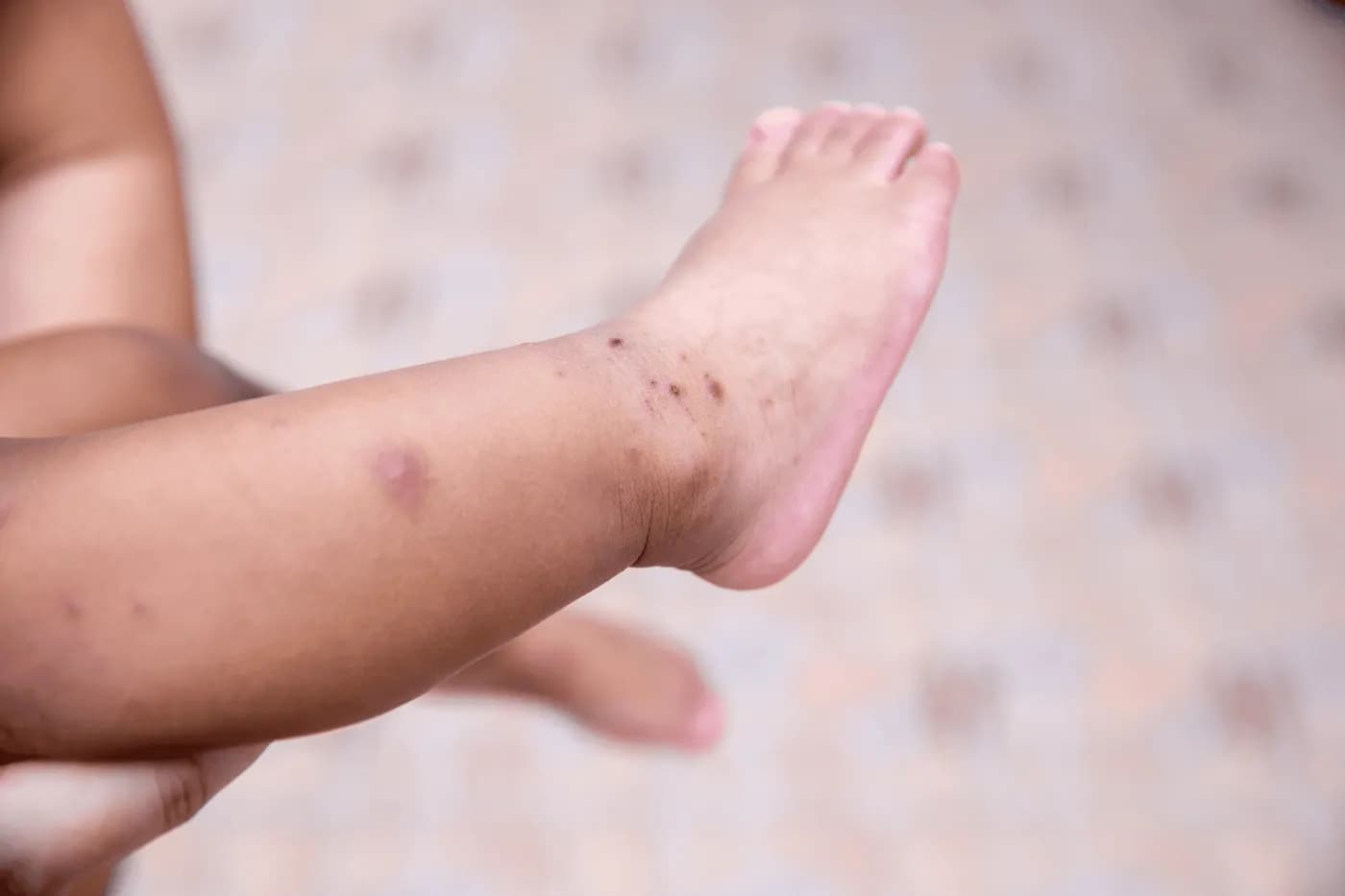
What is Hand, Foot, and Mouth Disease?
HFMD is caused by the Coxsackievirus, and it spreads through direct contact with saliva, mucus, or stool. It's common in daycare centers and schools where children are in close contact. Although HFMD is generally mild, it can be uncomfortable and is highly contagious.
Symptoms to Watch For:
- Fever: Often the first sign, sometimes followed by sore throat.
- Painful Sores: Look for small red spots or blisters in the mouth, particularly on the tongue, gums, and inside the cheeks.
- Rash: A red rash or small, fluid-filled blisters may appear on the hands, feet, buttocks, or diaper area.
- Fatigue and Irritability: Children may feel unusually tired or cranky.
- Loss of Appetite: Eating and drinking can be uncomfortable due to mouth sores.
How to Treat Hand, Foot, and Mouth Disease
There is no specific treatment for HFMD, but symptoms can be managed at home:
- Hydration: Encourage fluids to avoid dehydration, especially since mouth sores can make eating difficult.
- Fever Relief: Use over-the-counter medications like acetaminophen or ibuprofen to relieve fever and discomfort (consult your pediatrician for children under 6 months).
- Sore Relief: Cold foods like popsicles or ice cream can soothe sore mouths, while avoiding spicy or acidic foods.
Prevention Tips:
- Good Hygiene: Encourage frequent hand washing with soap, especially after using the bathroom, changing diapers, or before meals.
- Disinfect: Clean and disinfect surfaces, toys, and frequently-touched items regularly.
- Avoid Close Contact: If your child has HFMD, try to keep them home from school or daycare to avoid spreading the virus to others.
When to See a Doctor
While HFMD is usually mild, you should consult a healthcare provider if:
- Symptoms worsen or don't improve within a week.
- Your child shows signs of dehydration (less urination, dry mouth, lethargy).
- Sores in the mouth or throat prevent drinking.
If you're worried about symptoms or need advice on managing HFMD, please reach out to your Summer Health pediatrician for guidance.
Stay Safe!
With a bit of care and early symptom recognition, most children recover quickly from HFMD. Stay prepared, practice good hygiene, and remember, Summer Health is here for you whenever you need.
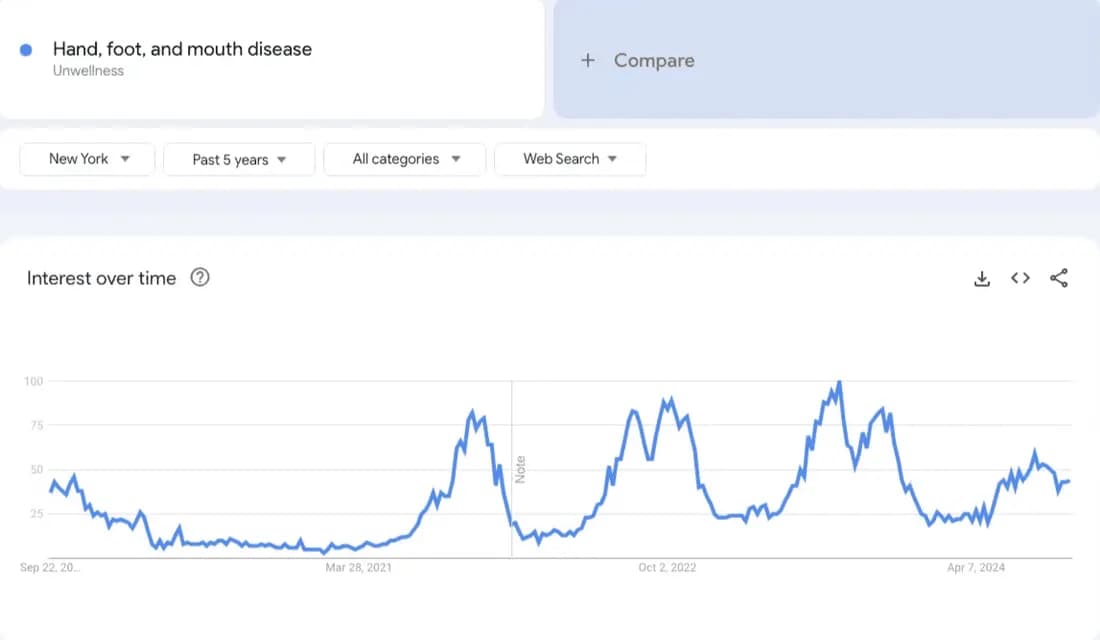
If you analyze Google Trends data for New York, you'll notice a consistent annual peak occurring in late September and early October.