Gross motor skill development in early childhood
Understanding gross motor developmental milestones in preschool-age children
What are gross motor skills?
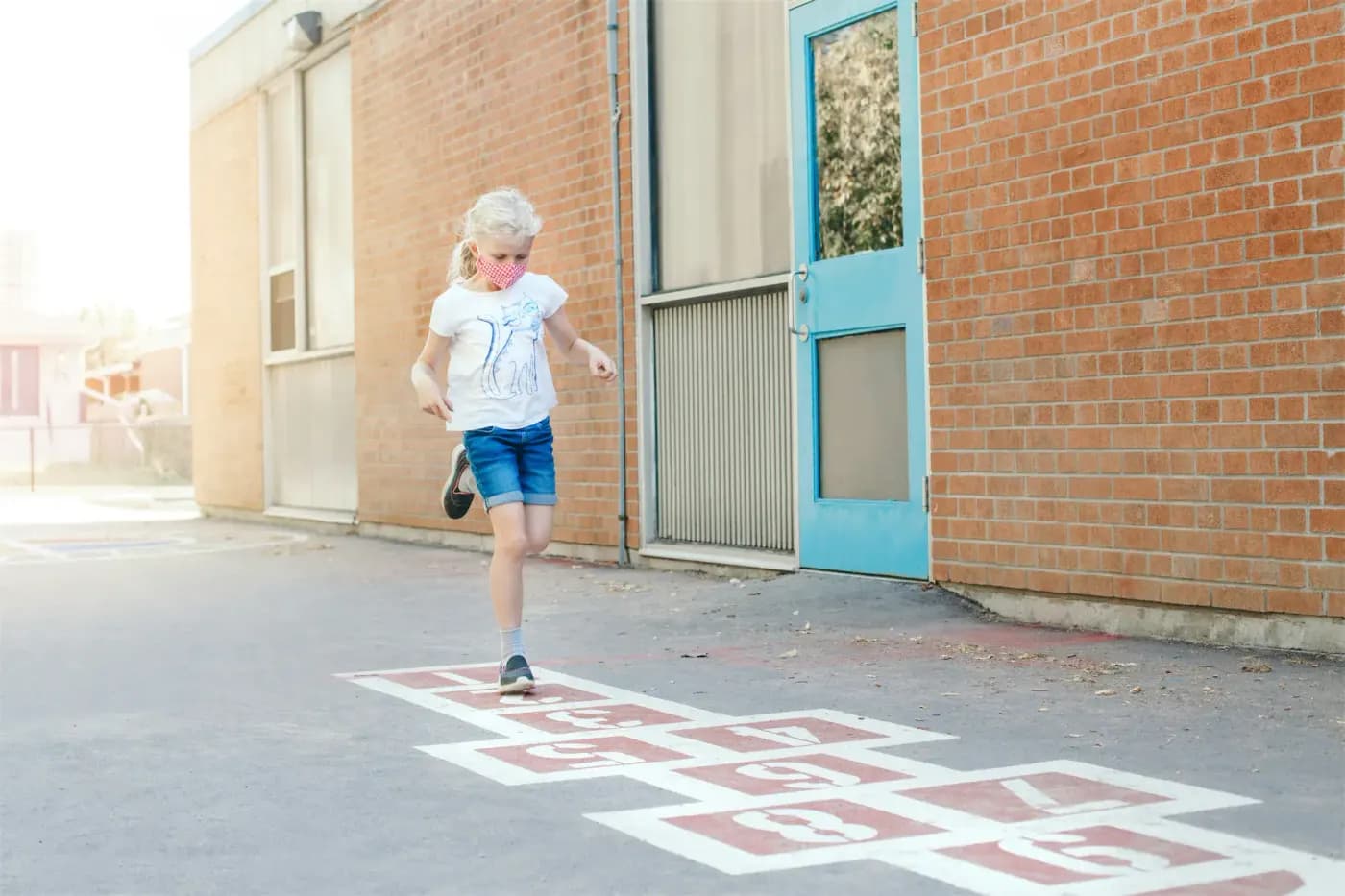
Gross motor skills involve controlling the large muscles of the body, such as the arms, legs, and torso, to walk , run, jump, and crawl. Gross motor skills are essential for daily activities, physical activity, and complex movements.
Gross motor skills play a key role in:
- Balance and stability during movement
- Coordination
- Body and spatial awareness
- Confidence and self-assurance through physical activity
- Independence
Common gross motor skills in preschoolers
- In a hurry
- Jumping
- Jumping
- Galloping
- Throw and catch objects such as a ball
- Kicking
- Balance (standing on one foot, hopping on one foot)
- Ride a tricycle, bicycle or scooter
- Swimming
- Climbing on structured playgrounds
- Climb stairs
- Organized sports
Difference between gross motor skills and fine motor skills
Gross motor skills use large muscle groups to perform activities, while fine motor skills involve smaller muscle groups, such as the hands and fingers, to perform precise movements. Fine motor skills involve practicing hand-eye coordination and dexterity in writing, drawing, fastening clothes, and using utensils.
Factors that contribute to gross motor problems
- Developmental disorders
- Neurological disorders
- Muscle diseases
- Environmental influences
When to consult your pediatrician
Consult your pediatrician if you notice significant delays or difficulties in reaching age-appropriate motor milestones, such as running, jumping, hopping, throwing, grasping objects, and maintaining balance, or if you notice coordination problems that interfere with your child's daily activities.