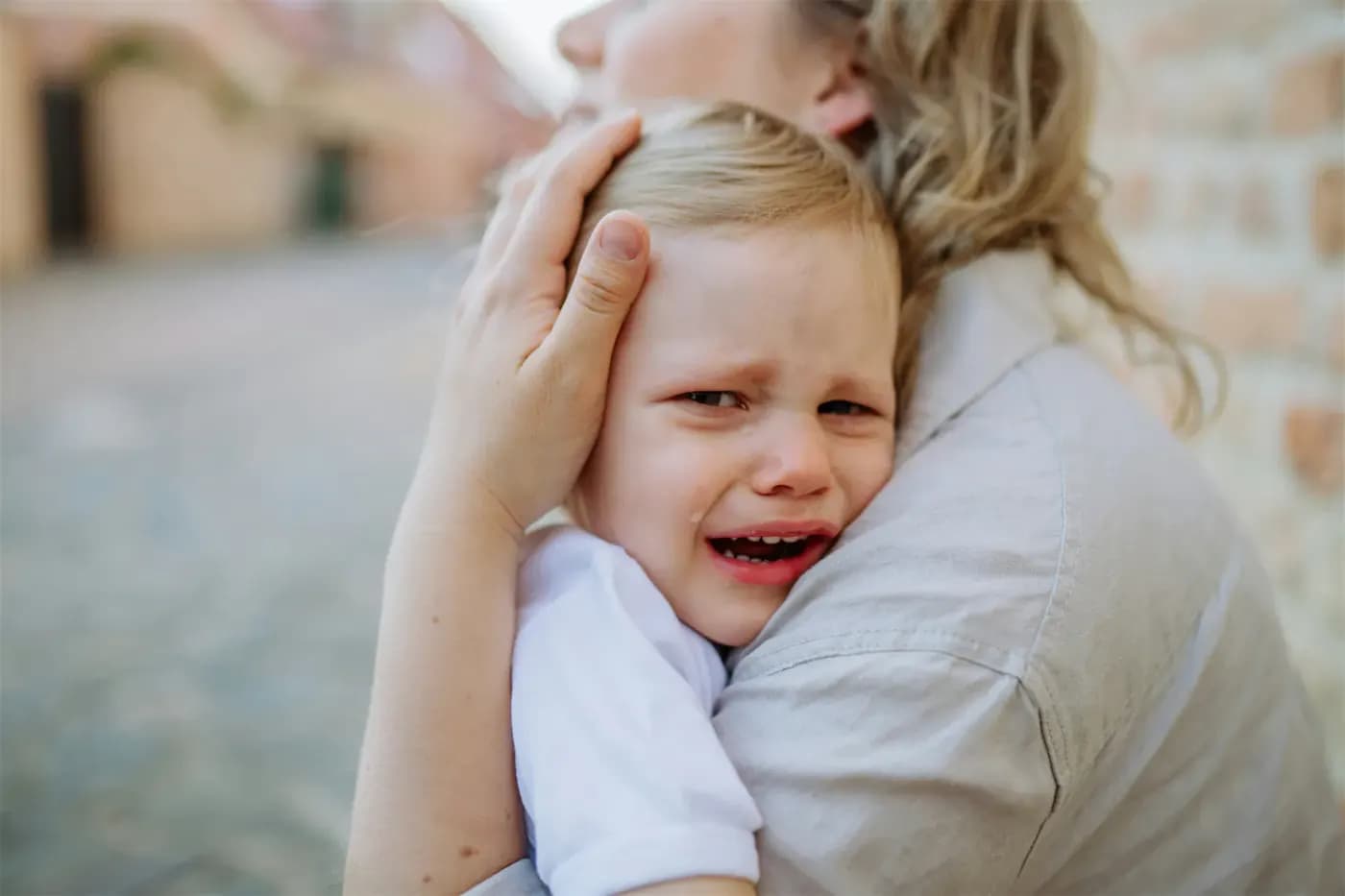
Coping skills to manage anxiety in children
Text directly with pediatricians for clear guidance you can count on. Your monthly subscription to Summer Health gets you answers in under 15 minutes, 24/7, 365.

Why do children feel anxious?
Children can experience anxiety or anxious thoughts for various reasons. Some common triggers include:
- Separation anxiety: Worried about being separated from parents. This is common during school or daycare drop-offs.
- New people, places, or routine: Unfamiliar environments, meeting new people, or changes in daily routines can be unsettling. Examples include getting a new babysitter, moving homes or schools, or a shift in daily schedules.
- Perfectionism: Some kids worry about making mistakes or not meeting expectations.
- Sensory overload: Overstimulation from loud noises or crowded places can trigger anxiety.
- Social situations: Concerns about making friends, being liked, or speaking in front of others.
Coping skills for anxiety
Coping skills are strategies children can use to manage big feelings like anxiety, frustration, anxious thoughts, and fear. These skills are important because they help children regulate their emotions, build resilience, and confidently navigate challenges. You can begin teaching coping skills to young children. Toddlers can learn simple coping strategies like deep breathing, using words to express their feelings, and more advanced techniques as they age and mature.
Examples of effective coping strategies for kids include:
- Breathing exercises (balloon breathing, teddy bear breathing, roller coaster breathing)
- Sensory grounding exercise
- Create a special box where children can "put away" their worries
- Teach simple, affirming phrases like "I can do this" or "I am brave"
- Physical activity helps release tension and produce calming hormones (jumping jacks or running in place)
- Drawing or coloring
- Create a quiet corner with books, pillows, and a comfort object
- Blow bubbles
Tips for parenting anxious children
Parenting an anxious child can feel overwhelming, but providing support and guidance can make a big difference. Start by validating their feelings and acknowledging their emotions so they feel understood and reassured. Then, model calmbehavior, as children absorb how parents react to stress. You can do this by demonstrating healthy coping strategies (like breathing exercises), which can help them learn to manage their own anxiety.
Common triggers for anxiety in children
Recognizing anxiety triggers in children is important for providing support. While these triggers can’t always be avoided, being prepared can help ease their anxious thoughts and feelings. Some common triggers include stress, transitions (such as starting school, moving homes, or welcoming a new sibling), changes in routine, social pressure or unfamiliar situations, sensory overload (crowds, loud noises, or warm temperatures), poor sleep, and separation anxiety.
To help manage anxious thoughts and triggers:
- Prepare for changes in advance by discussing new situations before they happen.
- Use visual schedules to create a predictable routine that helps children feel more secure.
- Establish a calming ritual, like a special goodbye routine at school drop-offs to ease separation anxiety.
- Limit overstimulation by offering quiet breaks if your child is sensitive to noise or crowds.
- Encourage gradual exposure by helping them face fears in small, manageable steps rather than all at once.
- Establishing a consistent bedtime routine to ensure proper sleep.
When to consult your pediatrician
If your child's anxiety interferes with daily life (school, friendships, sleep) or if it causes frequent meltdowns or intense fear, it may be time to seek professional guidance. Intense fears or anxiety that leads to physical symptoms (like stomach aches and headaches) can also be signs that additional support is needed. If you notice these patterns, consult your pediatrician for advice on next steps and potential resources to help your child manage their anxiety effectively.
If you have questions about childhood anxiety or coping skills, reach out to your local or Summer Health pediatrician for support. Summer Health is a pediatric telehealth platform offering 24/7 care, providing answers for everything from urgent concerns to everyday questions about your child’s health.